
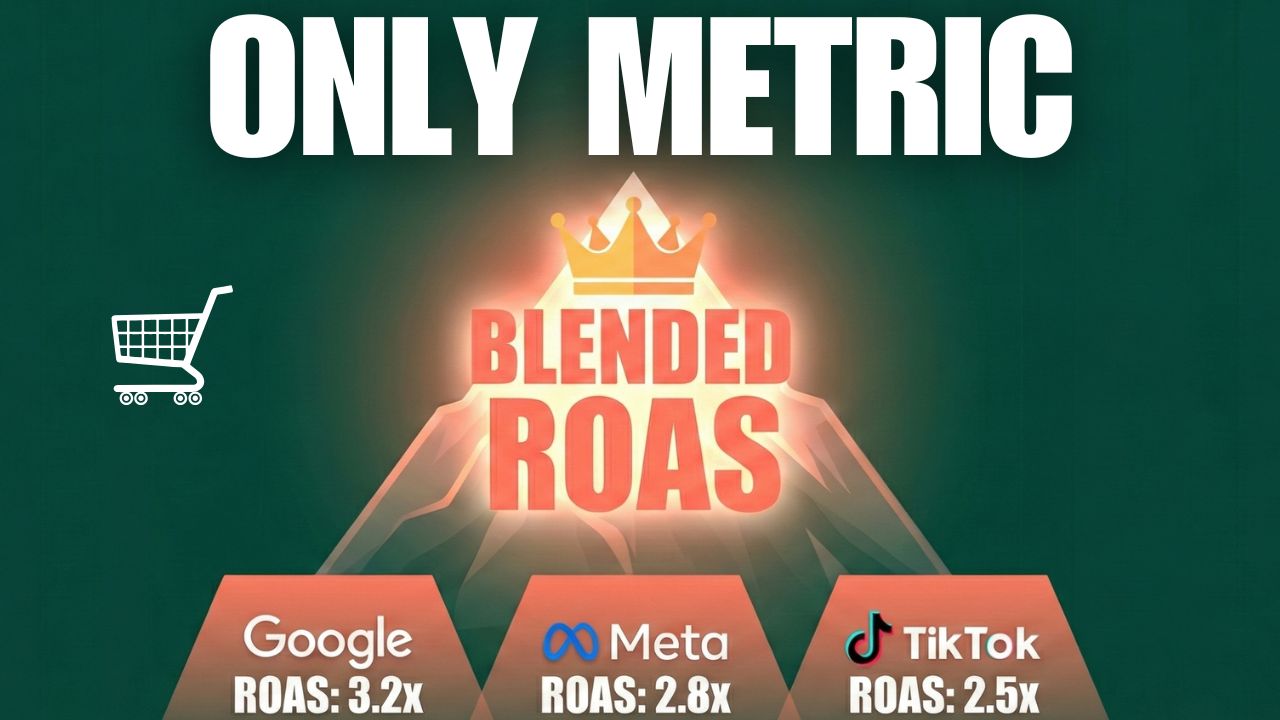
Blended ROAS: The One Metric E-commerce Brands Should Be Obsessed With
Blended ROAS reveals the truth your ad platforms won't tell you about real business growth and profit. Stop chasing fake in-channel metrics that lead to costly budget decisions.
Andrey Kisselev
January 8, 2026
If you're running paid media for an e-commerce business, you're likely drowning in tactical noise.
This guide cuts through the confusion to focus on the single metric that actually drives profitable growth: Blended ROAS.
Why Traditional Attribution Tracking is Broken
Many marketers get a sinking feeling when ad platform reports (Google, Meta, TikTok) don't match the cash actually in the bank.
The hard truth is that the traditional attribution system—specifically the reliance on pixel data and "last click" models—is fundamentally broken.
Two main factors have degraded tracking reliability:
Privacy Updates: iOS updates and cookie consent popups block data flow.
Platform Bias: Ad platforms like Google and Meta tend to overestimate their own value to look good.
This has turned analytics into a "last click lottery," where the final touchpoint gets 100% of the credit, ignoring the customer journey that created the demand.
The Flaws of In-Channel ROAS
Relying on in-channel ROAS (Return on Ad Spend) leads to costly mistakes because of specific "growth-limiting flaws".
In-Channel ROAS is a metric within one platform measuring gross revenue generated for every dollar spent in that channel.
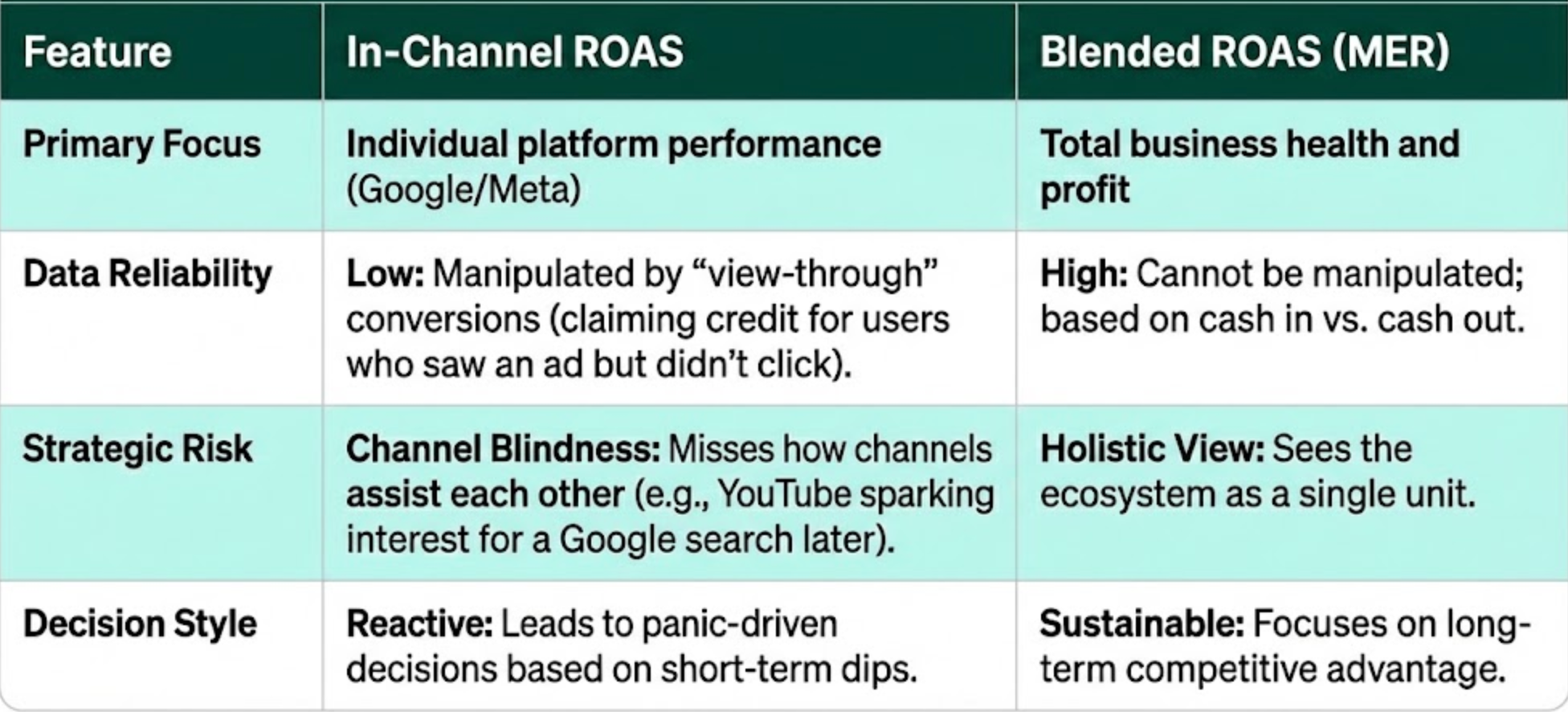
Comparison: In-Channel ROAS vs. Blended ROAS
In-Channel ROAS vs Blended ROAS: A Comparison
What is the Whipsaw Effect in Marketing?
The Whipsaw Effect occurs when a marketer jerks their strategy back and forth based on noisy, unreliable in-channel data.
Example of the Whipsaw Effect:
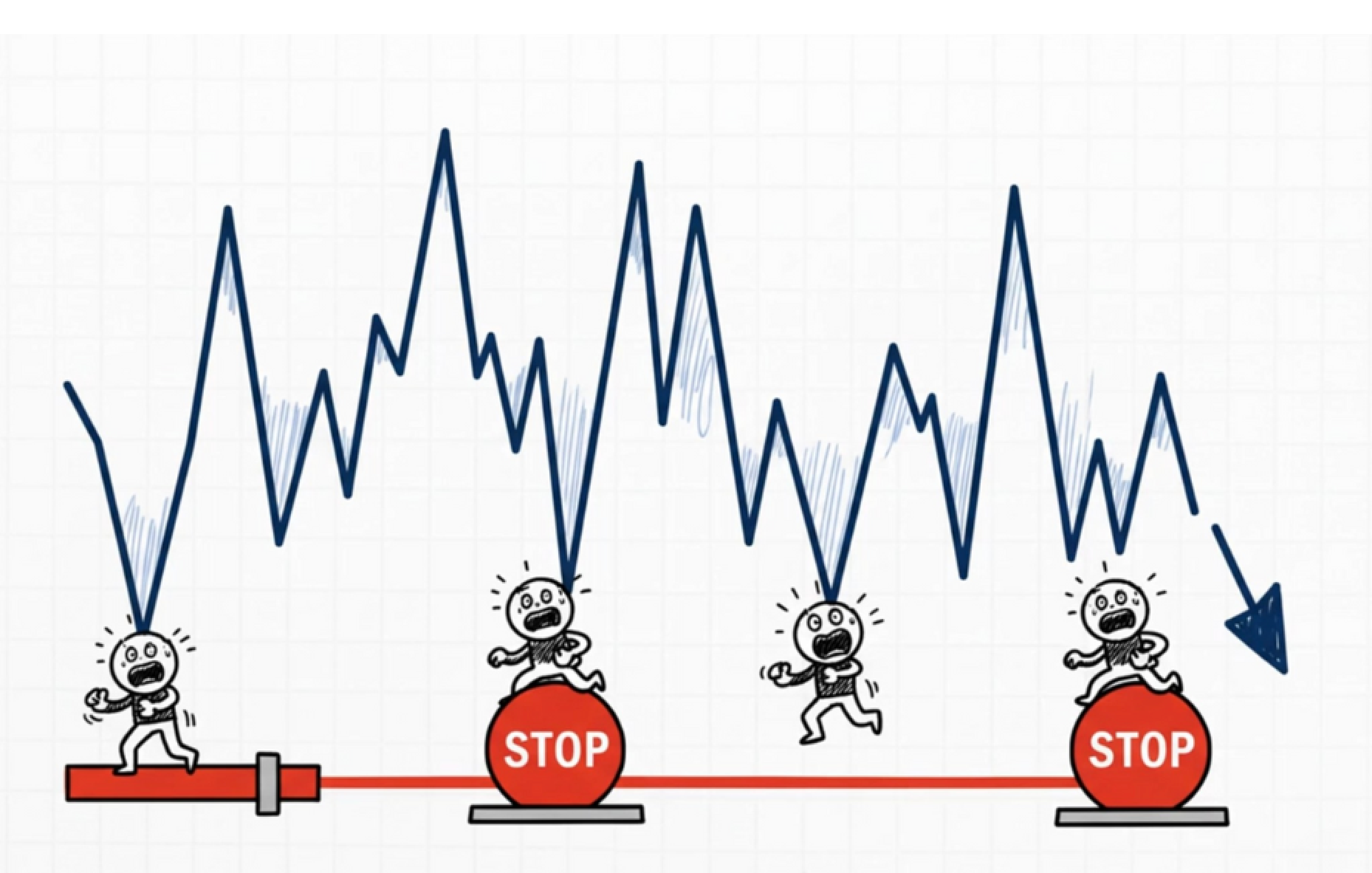
The Data: You see Meta ROAS at 1.7x (low) and Google ROAS at 4x (high).
The Mistake: Traditional logic suggests cutting Meta and moving budget to Google.
The Consequence: You unknowingly "cancel the appetizer" (Meta/Awareness) and wonder why nobody is ordering the "main course" (Google/Conversion). Growth screeches to a halt because Google was only capturing demand that Meta created.
The Whipsaw effect in PPC marketing - reactive budget cuts based on short-term ROAS create volatility and ultimately stall growth
How to Calculate Blended ROAS
Your new North Star is Blended ROAS. The formula is simple:
Blended ROAS = Total Business Revenue / Total Ad Spend
This answers the strategic question: "How is my entire business growing?" rather than the tactical question: "How is this one channel doing?".
Case Study: Analyzing Marketing Performance with Blended ROAS
Let's look at a practical scenario.
Imagine your business needs an overall 8x ROAS to be profitable.
If you looked at individual channels, you might see Facebook and TikTok performing poorly.
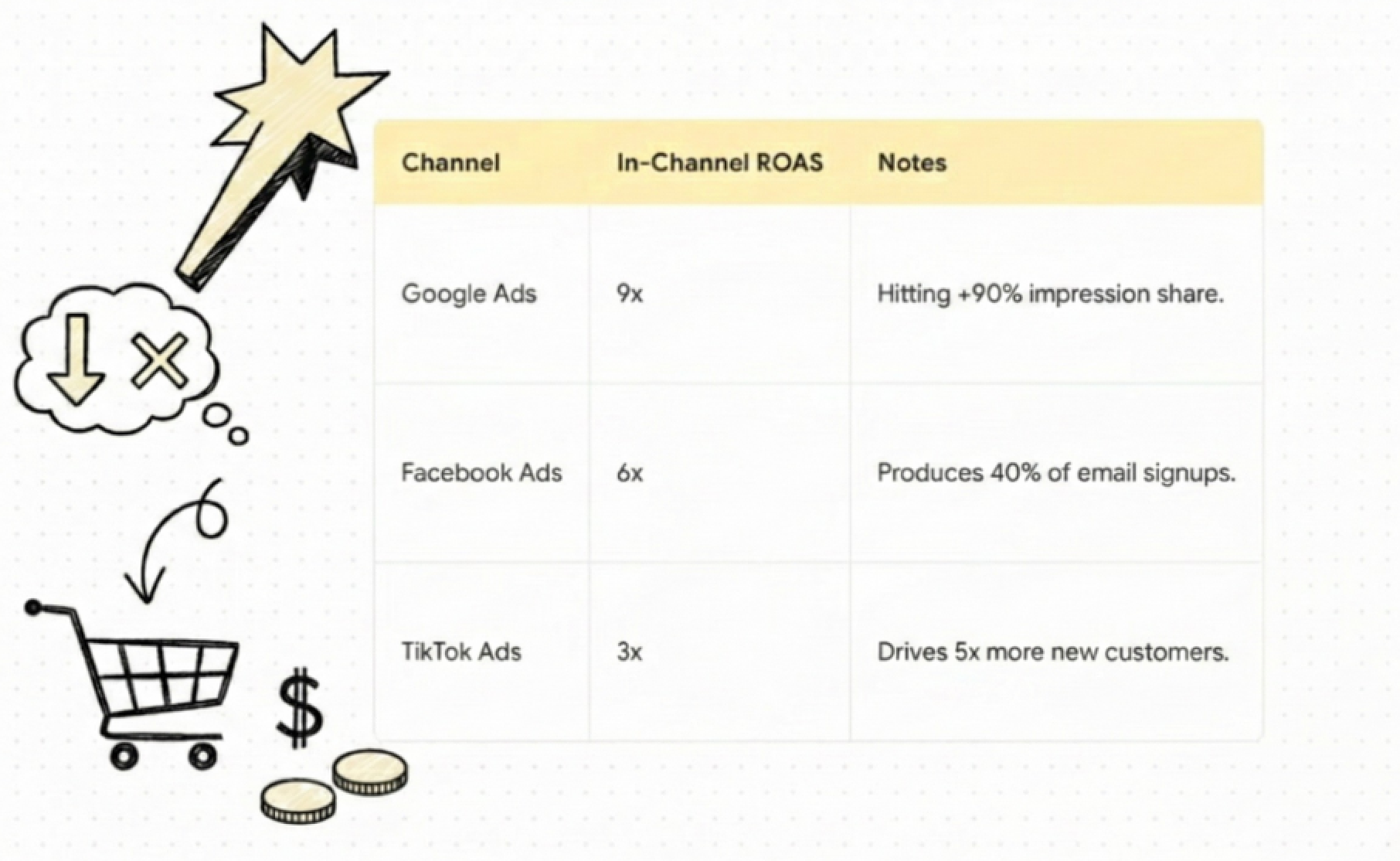
Why In-Channel ROAS Fails to Tell the Full Story
However, using Blended ROAS changes the decision-making process:
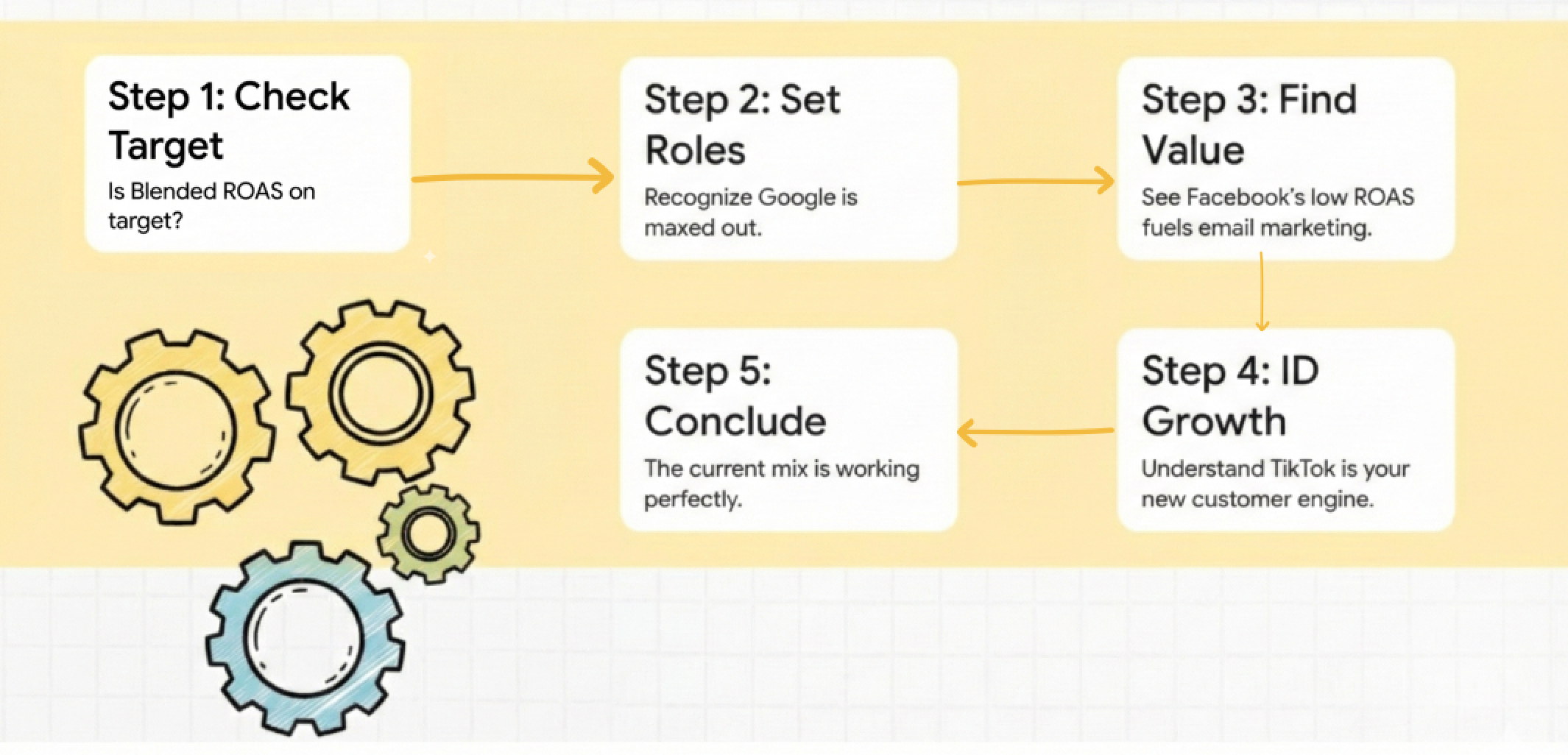
Check Global Health: Is the Blended ROAS hitting the 8x target? Yes.
Audit "Maxed" Channels: Observe that Google is "maxed out"—spending more there won't yield better returns.
Identify Assists: Recognize that Facebook's lower ROAS is actually fueling your high-value email marketing.
Locate Acquisition Engines: Identify that TikTok is the main engine bringing new customers in the door.
Conclusion: The mix is working perfectly together. Cutting the "low performing" channels would actually hurt the total profitability.
A PPC Optimization Decision-Making Process Based On Blended ROAS
How Do I Know Which Channel Is Actually Working?
This is the most common question about Blended ROAS. If platform tracking is broken, how do you know TikTok is bringing in new customers? If Blended ROAS drops, how do you figure out which channel is the problem?
Key insight: Blended ROAS tells you IF you have a problem. It doesn't tell you WHERE.
For diagnosing the "where," you need different tools.
Measuring Channel Contribution Without Platform Data
Don't use TikTok's data to measure TikTok. Instead, measure through sources you control:
Post-purchase surveys: Add "How did you first hear about us?" after checkout. When 40% of new customers say "TikTok" and only 8% say "Google Search," that tells you something platform attribution never will.
Your own transaction data: Track first-time vs. returning customers from your store, not from ad platforms.
Incrementality tests: Turn a channel off for 2-4 weeks and watch what happens to overall metrics. If pausing TikTok tanks new customer acquisition even though its reported ROAS was low, it was doing heavy lifting the numbers didn't show.
The Diagnostic Playbook When Blended ROAS Drops
If your Blended ROAS drops from 8x to 6x, here's how to find the cause:
Look at what changed: Did you shift budget? Launch new creative? Change product mix? Timing often points to the cause.
Run controlled experiments: Increase or decrease one channel's spend by 20-30% for two weeks. Measure impact on Blended ROAS, not in-channel ROAS.
Triangulate your data: Compare platform reports, Google Analytics, post-purchase surveys, and actual revenue. When multiple sources point the same direction, you're getting closer to truth.
Conclusion: Strategic GPS vs. Dashboard Warning Lights
You do not need to discard channel metrics completely. Think of them as dashboard warning lights—tactical indicators for day-to-day optimizations.
However, Blended ROAS must be your GPS. It guides major strategic decisions and prevents you from making knee-jerk cuts to top-of-funnel channels due to bad data.
While competitors get lost in the attribution maze, using Blended ROAS allows you to invest intelligently across the entire customer journey.
In-Channel ROAS is A Tactical Indicator. Blended ROAS is the Strategic Guide.
Next Step: Stop chasing noisy metrics. Calculate your Blended ROAS today to get the clarity you need to scale.
Andrey Kisselev
Andrey Kisselev is the founder of Addi Marketing, a Google Ads consultancy for e-commerce businesses.
With over 10 years managing 50+ accounts, he helps brands and DTC stores grow revenue efficiently through hands-on Google Ads management and practical advice.